

There’s something utterly timeless about Colaba. Even if you’ve walked its streets a hundred times, you’ll likely spot something new each visit—a tucked-away art gallery, an antique shop you somehow missed, or maybe just a glint of the sea through tangled branches near the Gateway of India. This isn’t a listicle. It's not a guide. It’s a gentle, lingering walkthrough of Colaba Mumbai—an area that quietly weaves history, heritage, and daily hustle into a sensory mosaic.
Let’s take a stroll together, past iconic arches and beneath leafy canopies, into the very soul of South Mumbai.
Begin at the Gateway: The Iconic Arches and the Stories They Hold
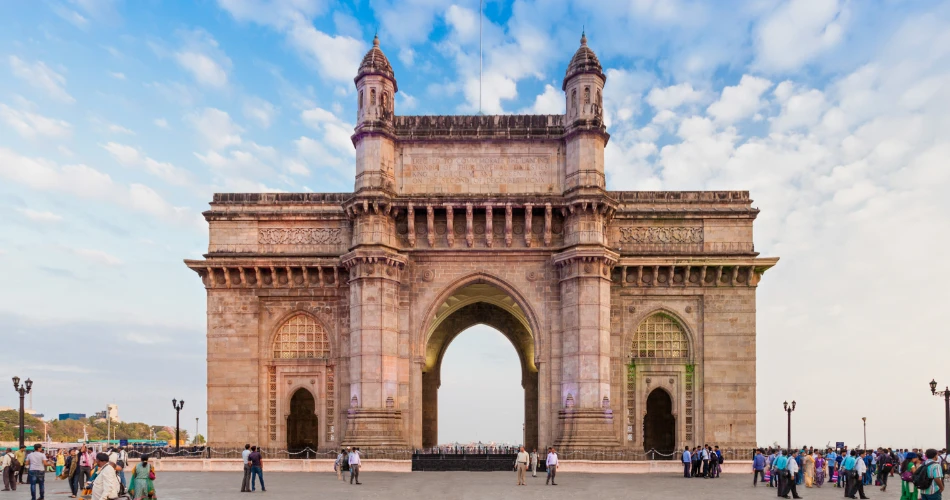
If Colaba had a front door, it would be the Gateway of India. Grand yet approachable, majestic yet surrounded by the everyday—vendors, photographers, couples sharing ice cream cones. Built in 1924 to commemorate a royal visit, the Gateway today feels less like a monument and more like an open plaza of shared memory.
Stand near the water’s edge for a few quiet moments. Watch the boats bobbing softly against the horizon. It’s here you’ll notice how South Mumbai attractions aren’t just about buildings—they’re about emotion, movement, and memory.
A short walk away, the cobbled Apollo Bunder stretch brings you to clusters of street artists and flute-sellers. You’ll often hear faint music drifting through the air, mixing with the distant horn of a ferry. While the chaos buzzes behind you, there's an odd calm right in front—especially if you're walking early in the day.
And just as you're soaking in the salty breeze, a faint aroma of coffee teases your senses. That’s your cue—it’s time to step into Colaba’s café culture.
Where Coffee Meets Character: Old-School Cafés and New-Age Nooks
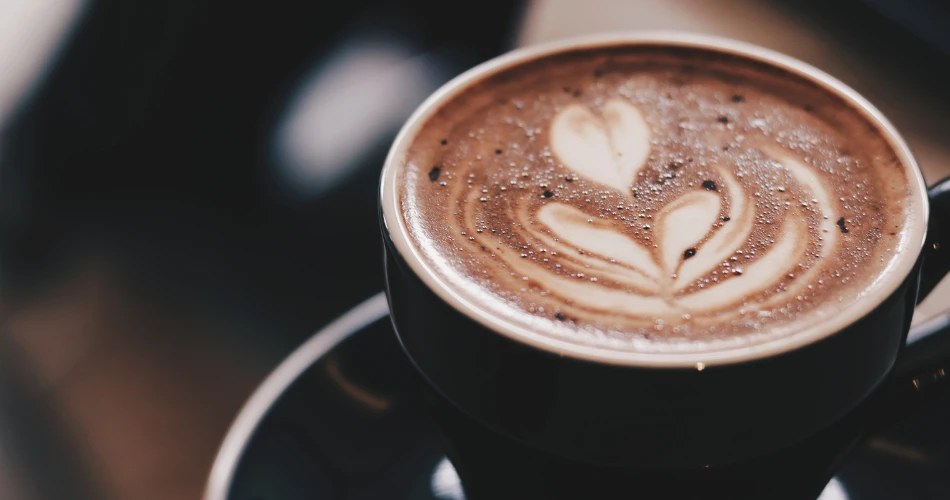
Winding your way down Colaba Causeway, cafés pop up like old friends waving hello. Some spots have stood the test of time—wooden furniture worn smooth by generations, fans that creak but still work, and walls that whisper stories if you lean in close.
In particular, Colaba Mumbai is known for its café scene that balances nostalgia and novelty. Whether it’s a famous Parsi-run eatery serving bun maska and Irani chai or a newer, artsy place with mood lighting and oat lattes, there's something to match every mood.
Take a moment to sit. Watch the world go by. This part of your Colaba neighborhood guide isn't about ticking boxes—it's about pausing. Maybe jot a thought into your Notes app, maybe sketch a corner of the café on your iPad using Procreate, or just scroll through memories with the Day One journaling app. The tools we use today quietly merge with the charm of old surroundings.
Walk a bit further and you’ll find cafés nestled beside vintage bookshops and art boutiques. Some are tiny and dark, others spill into leafy courtyards. Most have at least one cat that rules the place.
Here’s a little local trick: chat with your server. Chances are, they’ve worked there for years and know the area better than Google Maps ever could.
Colonial Echoes in the Walls: The Architecture of Then and Now
One of the most fascinating things about Colaba is how the past never quite stays in the past. It peeks out at you from behind wrought-iron balconies, under faded signage, and between narrow laneways.
Architecture in Colaba Mumbai is a genre of its own. Walk slowly and you’ll spot Indo-Saracenic arches, Victorian lamps, and quiet bungalows wedged between towering modern flats. These are structures that have stood through decades—bombay humidity, monsoons, even the occasional Bollywood shoot.
Take a turn down Mereweather Road or head toward the Army & Navy Building if you want to see walls that still breathe stories. And if you love capturing details, apps like Snapseed or Lightroom Mobile can help you edit those photographs to do justice to the intricate details and weathered patina.
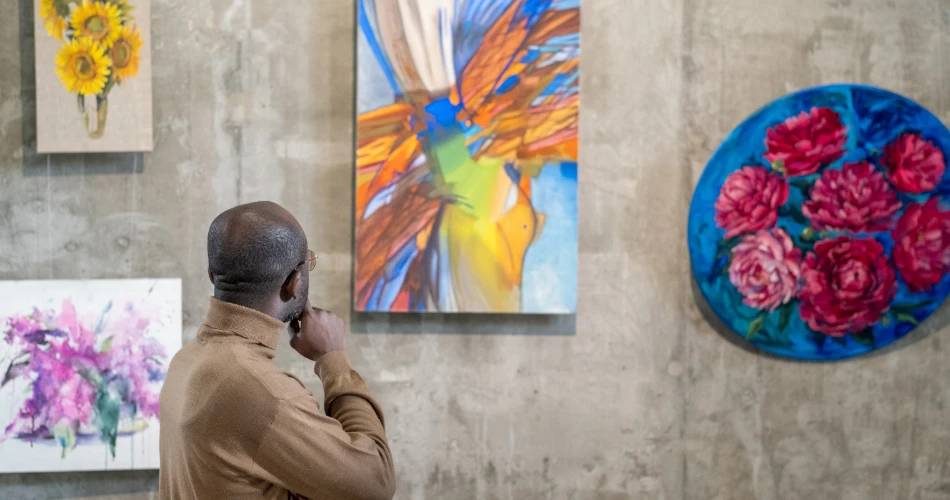
And yet, Colaba isn’t stuck in a time capsule. Boutique art galleries now sit comfortably inside colonial bungalows. Design studios flourish in old garages. It’s this blend of old and new that makes places to visit in Colaba feel less like a tourist activity and more like walking through a living, breathing neighborhood.
The Street That Never Sleeps: Colaba Causeway’s Kaleidoscope of Life

Eventually, all paths in Colaba seem to lead to Causeway. It’s impossible to resist. Even if you tell yourself you’ll just glance at a few stalls, you’ll likely leave with a canvas tote or a pair of handmade earrings. That’s part of the fun.
Vendors call out softly, bargaining happens with half-smiles, and the entire lane seems to shimmer with color. Whether it’s embroidered juttis, dreamcatchers, printed scarves, or quirky fridge magnets, this stretch of road keeps things playful and spontaneous.
Interestingly, Colaba neighborhood guide staples aren't just the shops and eateries—but the people themselves. You’ll find college students filming reels, retired couples out on their daily walk, and tourists lost in delightful confusion.
Midway through, maybe stop at a roadside cart for a quick fresh-lime soda. Or try some roasted peanuts wrapped in newspaper. These are the small, sensory joys that turn ordinary strolls into fond memories.
And the best part? Even though the sun may set, the vibe doesn’t. Lights twinkle. Laughter echoes. The smell of street food lingers. Colaba doesn't call it a day—it simply changes its rhythm.
Final Thoughts: Why Colaba is a Feeling, Not Just a Place
It’s tempting to reduce Colaba to a set of must-sees. But truly, it's not about that. It’s about wandering without agenda. It’s about feeling the sea breeze and suddenly remembering something from your childhood. It’s about sipping chai in the shade while your phone charges beside a half-read book.
Yes, it holds some of the most well-known South Mumbai attractions—the Gateway, the cafés, the Causeway buzz. But Colaba offers something rarer: a sense of flow. A sense of returning, even if you’ve never been before.
So next time you're there, walk slower. Look up at the balcony railings. Notice the shadows on the footpath. Maybe even leave your headphones in your pocket and let the street become your soundtrack.
Because Colaba isn’t just a neighborhood. It’s an emotion. And like all great emotions—it lingers.