

Si Mumbai tuviera un corazón que late, sería Dadar. Es ruidoso, es animado y nunca, jamás se desacelera. Te encontrarás esquivando a los vendedores ambulantes un momento, y de pie bajo un árbol de gulmohar en flor al siguiente. Aquí es donde multitudes en movimiento rápido y tradiciones atemporales existen de alguna manera lado a lado—y honestamente, esa es la magia de Dadar Mumbai.
Ubicado entre el mar por un lado y las vías del tren por el otro, Dadar es donde generaciones han vivido, trabajado, rezado y celebrado. No es la cara brillante de Mumbai, pero es muy, pero muy, el alma de la ciudad. Los locales lo juran, y cualquiera que haya pasado tiempo aquí lleva un poco de Dadar consigo para siempre.
Vaguemos por los callejones, recuerdos y el significado detrás de este vecindario siempre en movimiento.
Comienza en el Núcleo: La Identidad Maratha de Dadar
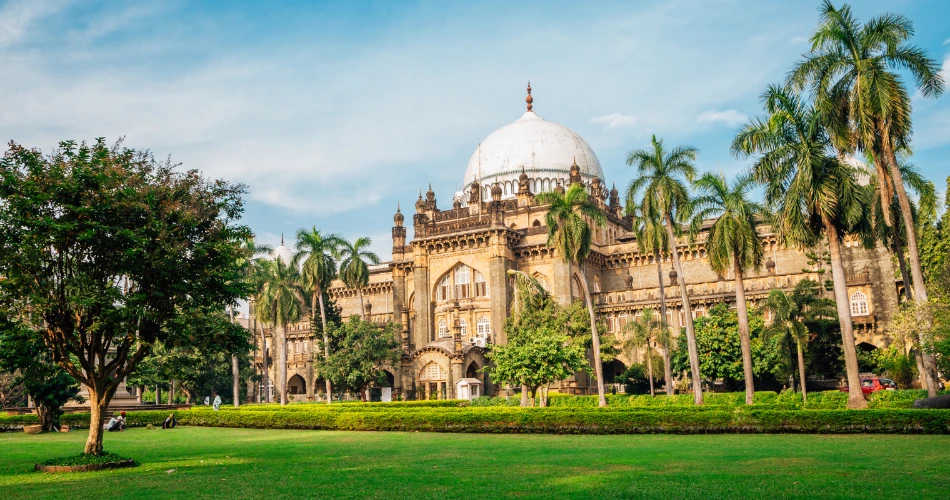
Dadar no intenta ser moderno, a la moda o elegante. Lo que es—y lo que continúa siendo con orgullo—es profundamente marathi en su esencia. A diferencia de otras partes de la ciudad que han cambiado bajo la influencia moderna, Dadar mantiene sus raíces cerca. Eso significa que aún verás mujeres en sarees nauvari subiendo a los trenes locales, hombres discutiendo sobre política mientras disfrutan de un fuerte café filtrado, y carteles escritos a mano en marathi adornando viejas tiendas.
Solo pasea por la Calle Kelkar o el Parque Shivaji en cualquier día ordinario, y lo sentirás. No solo en el idioma, sino en el ritmo. Las oraciones matutinas en Ram Mandir resuenan suavemente mientras los niños se desplazan en bicicletas cercanas. Esta área ha sido durante mucho tiempo un punto de referencia cultural, albergando a prominentes familias marathi, políticos, dramaturgos y poetas.
El Parque Shivaji, por ejemplo, es más que solo un campo. Es donde una vez resonaron los mítines políticos, donde leyendas del cricket como Sachin Tendulkar dieron sus primeros swings, y donde los ancianos locales todavía se reúnen para charlas llenas de risas al atardecer.
Y mientras el vecindario evoluciona—como todos los grandes lugares lo hacen—su alma marathi permanece al frente y al centro.
Vida Callejera, Caos y Comodidad: El Latido Diario de Dadar
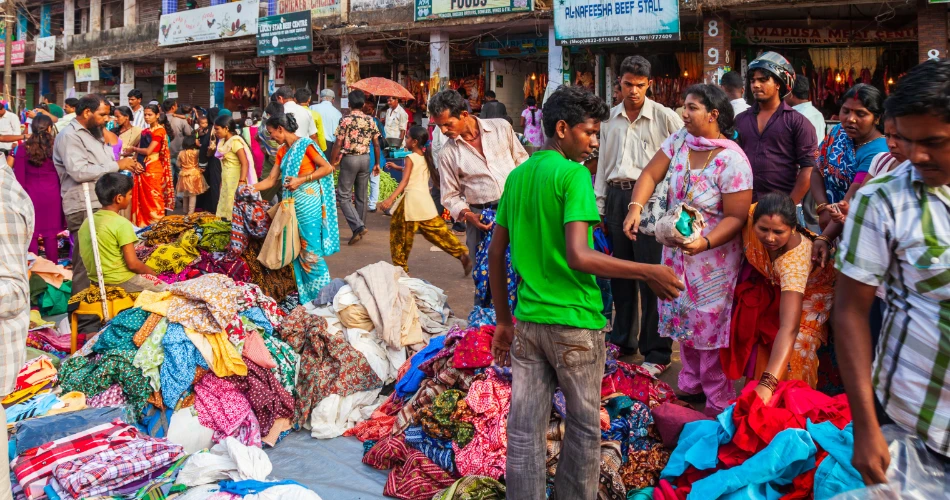
Ahora, no esperes que Dadar sea un paseo tranquilo. En el momento en que salgas de la estación de tren de Dadar, la ciudad te agarra de la mano—y no te suelta. Pero hay algo adictivo en su caos. El tipo que despierta cada sentido que tienes.
Olerás flores frescas siendo entrelazadas en guirnaldas en Phool Gully, verás carritos callejeros desbordando frutas de temporada, y escucharás la banda sonora incesante de rickshaws tocando la bocina y pasos apresurados. Sin embargo, en medio de todo eso, hay un extraño consuelo.
Es el tipo de lugar donde puedes hacer que te cosan la ropa, copiar tus llaves y agitar tu alma todo antes del mediodía.
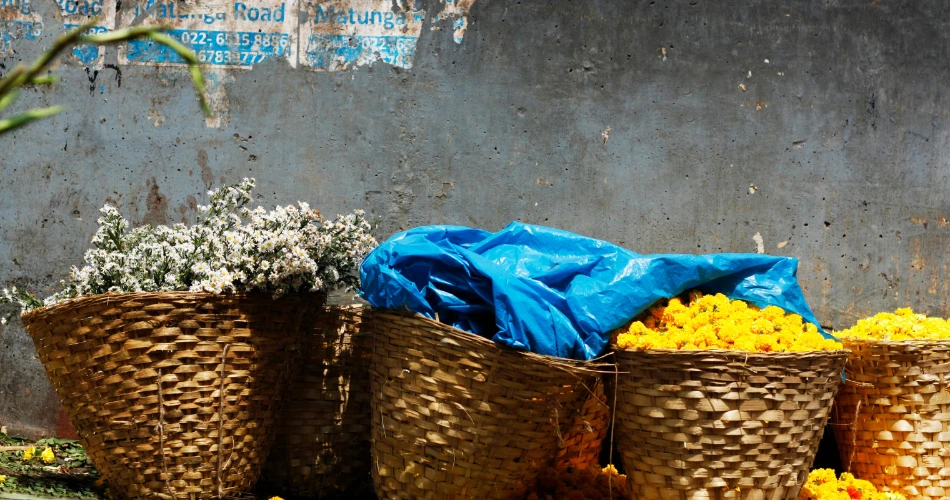
Si estás aquí por la mañana, dirígete directamente al mercado de flores—sin duda uno de los rincones más coloridos de toda Mumbai. Este no es solo un mercado local del que presume Mumbai; es una celebración sensorial completa. Los vendedores gritan precios, los clientes negocian con estilo, y el aire huele dulce y sagrado a la vez.
A medida que avanza el día, otros lados de Dadar comienzan a brillar. Los oficinistas se apresuran hacia sus trenes de la tarde, los escolares se deleitan con vada pav picantes, y las parejas se apoyan silenciosamente en las barandillas del paseo marítimo, observando cómo el mar suspira hacia el horizonte.
Un Paseo a Través del Tiempo: Templos, Teatros y Espacios Públicos
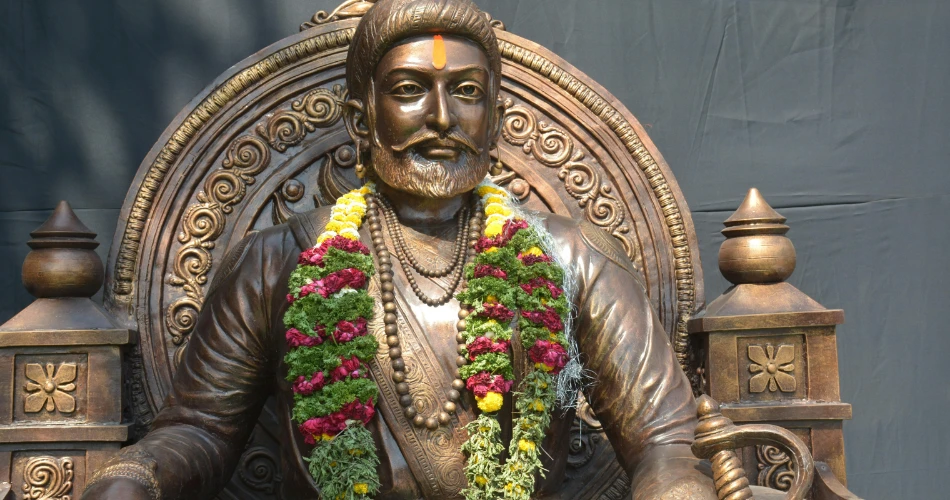
Los lugares culturales en Mumbai a menudo quedan opacados por atracciones más brillantes, pero Dadar alberga algunos de los más significativos de la ciudad; solo tienes que mirar de cerca.
Toma el Ram Mandir, por ejemplo. No es solo una parada espiritual, sino una parte de la arquitectura emocional del vecindario. Construido en 1931, este templo irradia una especie de calma que se siente rara en una ciudad tan rápida como Mumbai. Verás a personas de todas las edades pasar para hacer una rápida oración antes de enfrentar el caos del día.
Luego está Shivaji Park, por supuesto. Técnicamente un terreno público, pero emocionalmente, también es un templo—para los amantes del cricket, pensadores políticos y corredores matutinos por igual. Camina alrededor del perímetro y verás estatuas de bronce, placas conmemorativas y niños lanzándose para atrapar, todos compartiendo el mismo espacio.
Si el teatro es más lo tuyo, Shivaji Mandir es un lugar que debes visitar. Aquí es donde el teatro marathi ha florecido durante décadas. Y aunque puede parecer modesto desde el exterior, ha albergado algunas de las actuaciones más poderosas en la historia de la ciudad.
Aún librerías como el humilde Anand Book Depot siguen sirviendo como pequeños centros para los amantes de la literatura marathi. Lugares como estos mantienen el pulso de Dadar Mumbai constante y fuerte.
Los Muchos Estados de Ánimo de Dadar: Mercados, Momentos y Mañanas
Hablemos sobre los muchos estados de ánimo que Dadar exhibe a lo largo del día. La mañana aquí se trata de acción. Los lugareños saliendo de los trenes, verduras frescas alineadas en las aceras, y mujeres pescadoras negociando con una agudeza legendaria.
Por la tarde, Dadar se suaviza. La prisa del almuerzo ralentiza un poco las cosas. Podrías ver a alguien leyendo en silencio en un banco cerca de Veer Savarkar Smarak, o a niños escolares refrescándose con helados en una acera sombreada.
¿Y la noche? Es cuando Dadar brilla.
Desde los escalones de azulejos de Dadar Chowpatty hasta las bombillas brillantes de los puestos de comida en la carretera, todo el vecindario se transforma. Enamorados, solitarios, corredores y escritores—todos encuentran su lugar bajo el suave cielo rosa. Si tienes suerte, podrías ver un atardecer silencioso que de alguna manera ahoga incluso el ruido de los cláxones por un momento.
No te vayas sin pasear por el Mercado de Dadar Oeste, especialmente si amas los sarees o los bocadillos tradicionales de Maharashtra. Esta es la escena del mercado local de Mumbai en su máxima expresión—donde el patrimonio se encuentra con la asequibilidad, y donde los comerciantes aún reconocen a los clientes recurrentes por su nombre.
Para aquellos curiosos sobre los latidos diarios de Mumbai, Dadar es el lugar para estar. No está curado. Es real, crudo y todo tipo de maravilloso.
Reflexiones Finales: Dadar Es Lo Real
Dadar no intenta impresionarte. Y tal vez por eso lo logra.
No es brillante, curado o diseñado para encajar en una cuadrícula de Instagram. Pero lo que ofrece es mucho más profundo. Es la sensación de pertenencia, ya seas un residente o simplemente un transeúnte. Desde su identidad marathi profundamente arraigada hasta sus esquinas siempre ocupadas y puntos culturales atemporales, Dadar es tanto un recuerdo como un momento.
Cada giro aquí cuenta una historia. Cada calle es parte de la historia personal de alguien. Así que si alguna vez quieres entender el verdadero Mumbai—el Mumbai que trabaja, vive y respira—salta las listas de verificación turísticas. Simplemente ven a Dadar.
Pasa un poco de tiempo. Camina despacio. Absorbe el ambiente.
Porque en Dadar, la ciudad no solo existe—vive.